GZD Type
Vibrating Sifting Feeder
An efficient dual-function feeder designed to provide consistent material flow while simultaneously sifting out fine particles to optimize downstream performance.
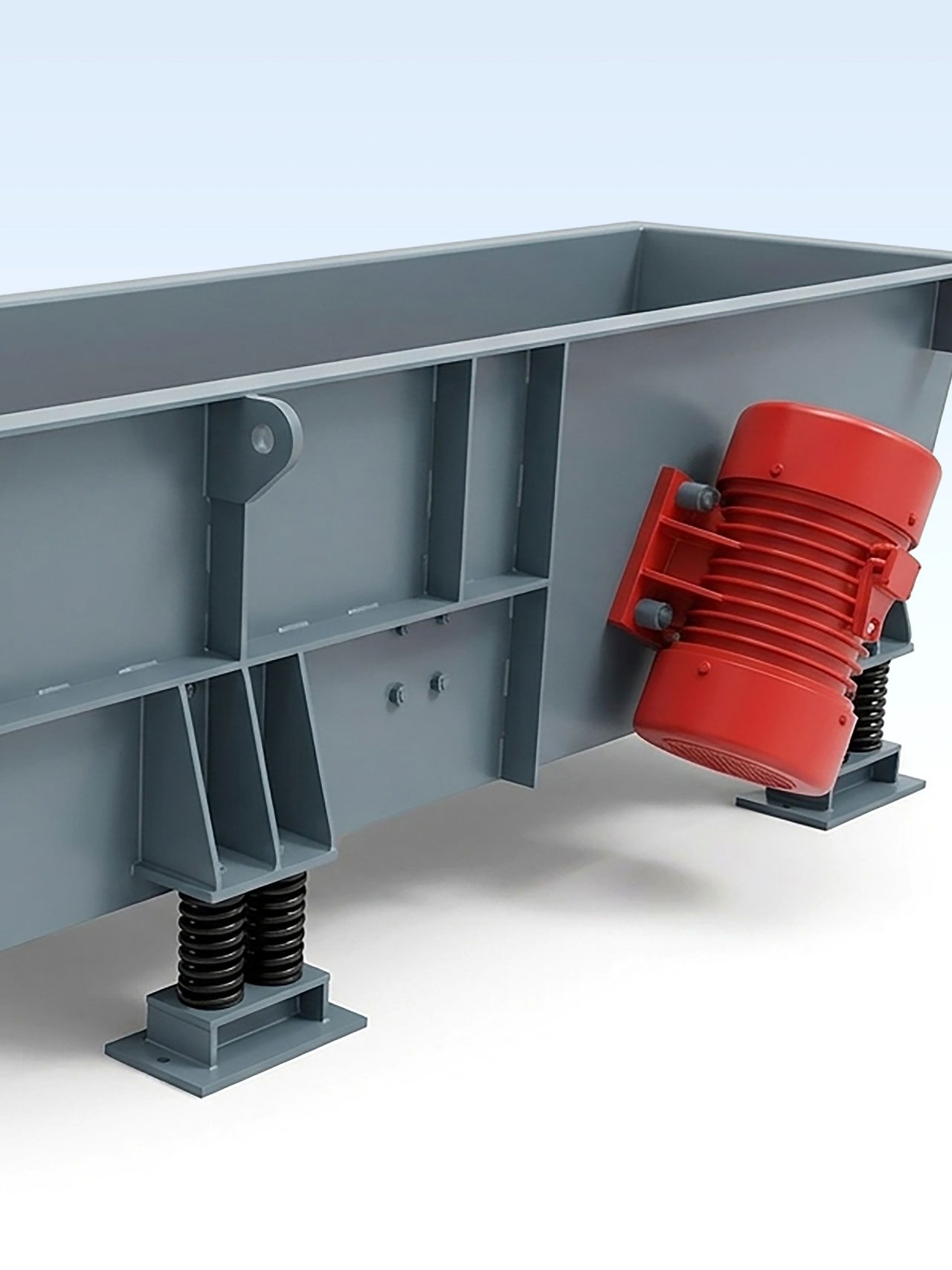
Primary Feeding Expert for Coarse Rock & Ore Beneficiation
GZD Type Vibrating Sifting Feeder
Engineered Exclusively for Primary Crusher Protection
The GZD Type Vibrating Sifting Feeder, driven by dual vibrating motors, is a premium coarse-handling solution engineered specifically to match the operational dynamics of primary crushing circuits. Positioned directly beneath raw material hoppers and ahead of initial size-reduction machinery, it executes continuous, smooth, and uniform volumetric feeding. The system’s advanced structural engineering delivers exceptional mechanical stability, absolute operational reliability, and an extended service life under intense gravimetric impacts, seamlessly matching the continuous throughput demands of downstream large-scale crushers.
Integrated Pre-Screening and Heavy Duty Infrastructure
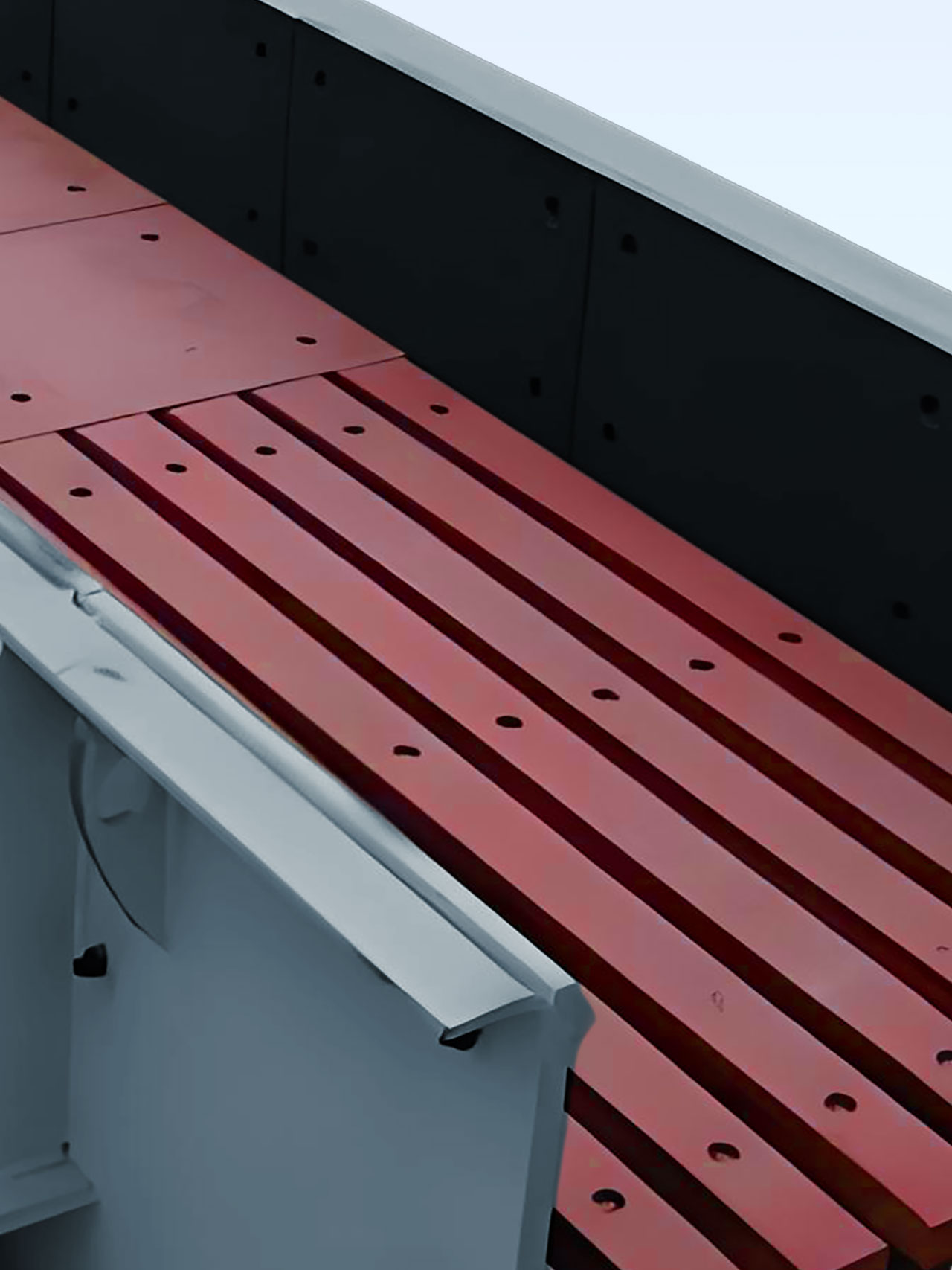
What distinguishes the GZD series is the integration of a specialized heavy-duty grizzly bar structure at the forward discharge section of the trough tray. Rather than simply moving run-of-mine lumps, the GZD series actively strips away fine sub-fractions and soils during the feeding transition. By bypassing fines around the crusher, it significantly improves crushing-screening loop efficiency and prevents wet, sticky clay from clogging the crushing cavity, making it the ideal, high-efficiency primary feeder for quarry aggregates, mining beneficiation plants, and industrial screening systems.
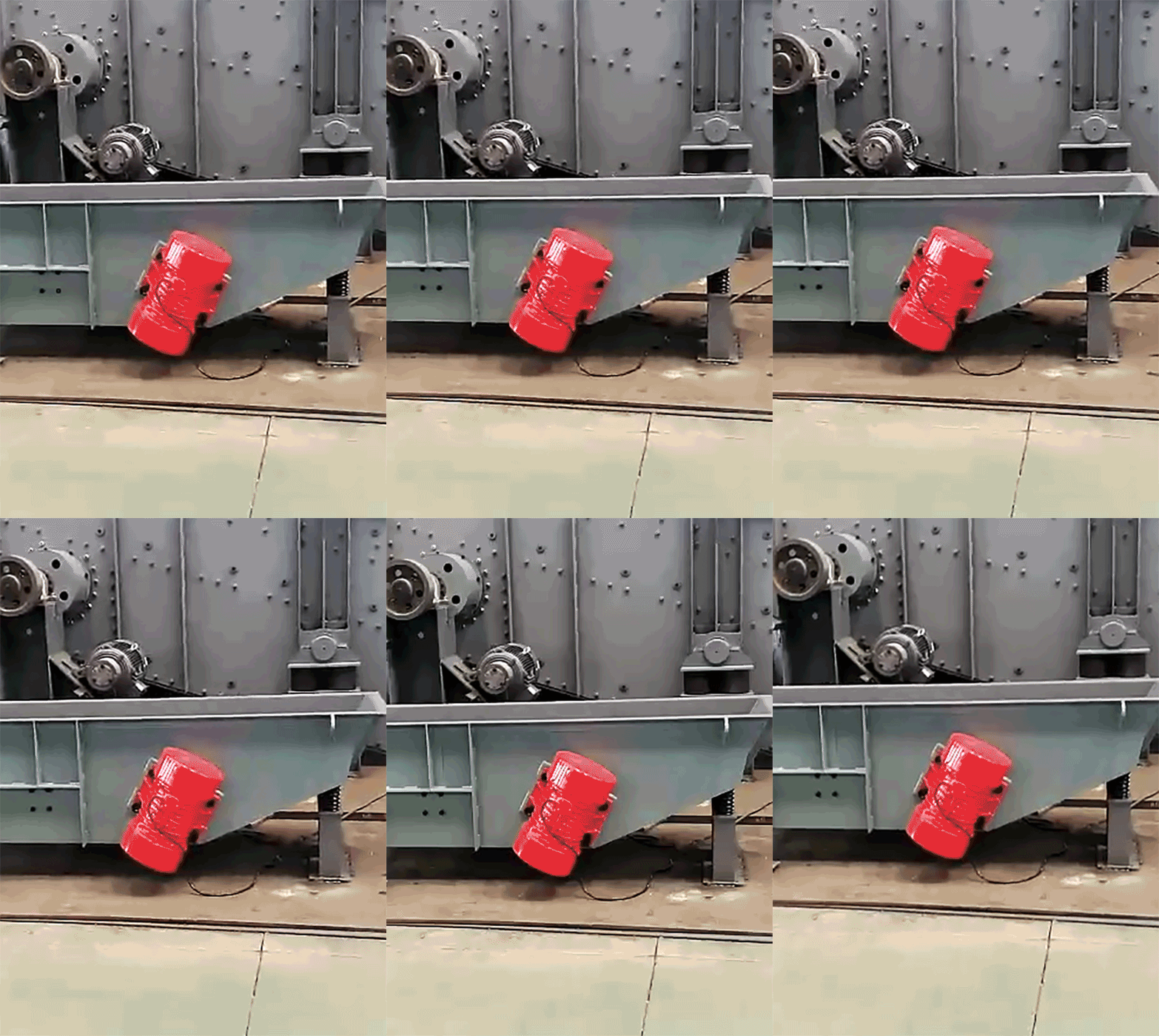
How Does It Work?
Dual Motor Self-Synchronization Dynamics
The driving force of the GZD Type Vibrating Sifting Feeder relies on two identical, counter-rotating vibrating motors attached symmetrically to the exciter beam assembly. Based on the proven principles of self-synchronizing inertia, when these twin drives run in reverse-synchronization, the centrifugal forces generated along the motor shaft plane counteract and cancel each other transversely. Concurrently, the force vectors align and superimpose vertically, generating a powerful, single-direction linear resultant force that drives the entire trough tray back and forth in a high-frequency, continuous reciprocating linear motion at a fixed angle relative to the horizontal plane.
Parabolic Tossing, Gravitational Fluidization & Sizing Bypass
This reciprocating linear impulse throws the material layer forward and upward in continuous, high-frequency micro-parabolic leaps, completely preventing intense abrasive friction against the bottom liner plate. When installed at an incline between 0° and 10°, the material bed fluidizes, allowing finer granules and soils to quickly settle to the bottom of the column while larger rocks float toward the top layer. As this stratified material reaches the specialized grizzly bar segment, the bottom-layer fines, soils, and small pre-crushed gravel fall directly through the bar apertures into a bypass chute or a sub-level waste conveyor without entering the crusher, while the top-layer oversized rock blocks bridge the bars cleanly and feed directly into the primary jaw crusher to ensure an optimized, choke-free process loop.
What Are Its Uses?
Quarry Sand & Aggregate Systems: Scalping Soil from Raw Blast Ore
In large-scale commercial aggregate and sand plants, the GZD series serves as the critical primary gatekeeper. Run-of-mine limestone, granite, or basalt hauled directly from blast faces always contains clay, topsoil, and fine quarry dust. Feeding this raw mix directly into primary jaw crushers compromises efficiency and risks packing the crushing cavity. The GZD series handles direct truck-dump impacts, uniformly meters the stone feed, and strips away the fine soil mud before it enters the primary crusher, ensuring the ultimate purity of the final processed sand and aggregate products.
Metallurgical Beneficiation Front-Ends: Multi-Tonnage Continuous Ore Feeding
Within harsh mineral processing plants handling iron, copper, or gold ores, the GZD grizzly feeder plays a decisive role as a process flow regulator. It effectively isolates downstream systems from the massive vertical static load of large-volume crude ore bins, delivering a steady, regulated material stream that perfectly matches the capacity threshold of downstream primary cone or jaw crushers. Plant operators can also dynamically adapt to real-time production loads by using a variable frequency drive to adjust the vibration frequency of the twin motors.
Recycling & Industrial Sizing: Pre-Sorting Inbound Bulk Crushed Solids
Beyond mineral ores, the GZD series excels in handling construction demolition waste, metallurgical slag, and industrial bulk minerals. The strong linear throwing action rapidly spreads and flattens compacted, incoming debris across the trough bed. Fine concrete dust, glass particles, and loose dirt drop cleanly through the alloy grizzly section, separating them from larger masonry lumps or reinforced fragments, which ultimately shields downstream shredders and fine crushers from excessive abrasive wear.
FAQ & VOTERS
How does the GZD Type Vibrating Sifting Feeder prevent near-size rocks from wedging and jamming between the grizzly bars?
UHM eliminates the risk of particle pegging and jamming by utilizing a specialized tapered geometry and a downward-sloping trapezoidal cross-section for the grizzly bars. The gap between each bar widens progressively from the feed end to the discharge end, and the single bar profile is wider at the top and narrower at the bottom. This ensures that once a sharp, near-size rock passes through the top opening, the continuous high-frequency linear vibration forces it down through an increasingly wider space, discharging it effortlessly without wedging.
What is the ideal criteria for deciding between a horizontal (0°) or an inclined (10°) installation angle?
This selection depends on your raw material’s moisture and clay content as well as your capacity goals. Installing the GZD feeder horizontally at 0° extends material retention time on the tray and grizzly section, resulting in maximum pre-screening and mud-removal accuracy for high-soil raw minerals. Conversely, angling the feeder downward up to 10° utilizes gravitational acceleration to move materials much faster, making it perfect for maximizing tonnage and throughput when handling clean, dry, or free-flowing quarry rocks.
What routine mechanical and structural maintenance audits are required to secure an ultra-long operating life for the GZD series?
Because primary rock feeding involves intense gravimetric impacts, maintenance teams should focus on two key areas. First, complete weekly torque checks on all high-tensile structural fasteners—especially the motor mounting bolts and exciter beams—since a single loose bolt under high-frequency vibration can lead to catastrophic localized structural cracking. Second, closely monitor the wear profile of the replaceable manganese steel liner plates inside the trough, ensuring they are replaced before the abrasive rock bed scores the main structural frame, which keeps the core machine base functioning for years or even decades.